Water Shortages Across Tanzania
The National Context
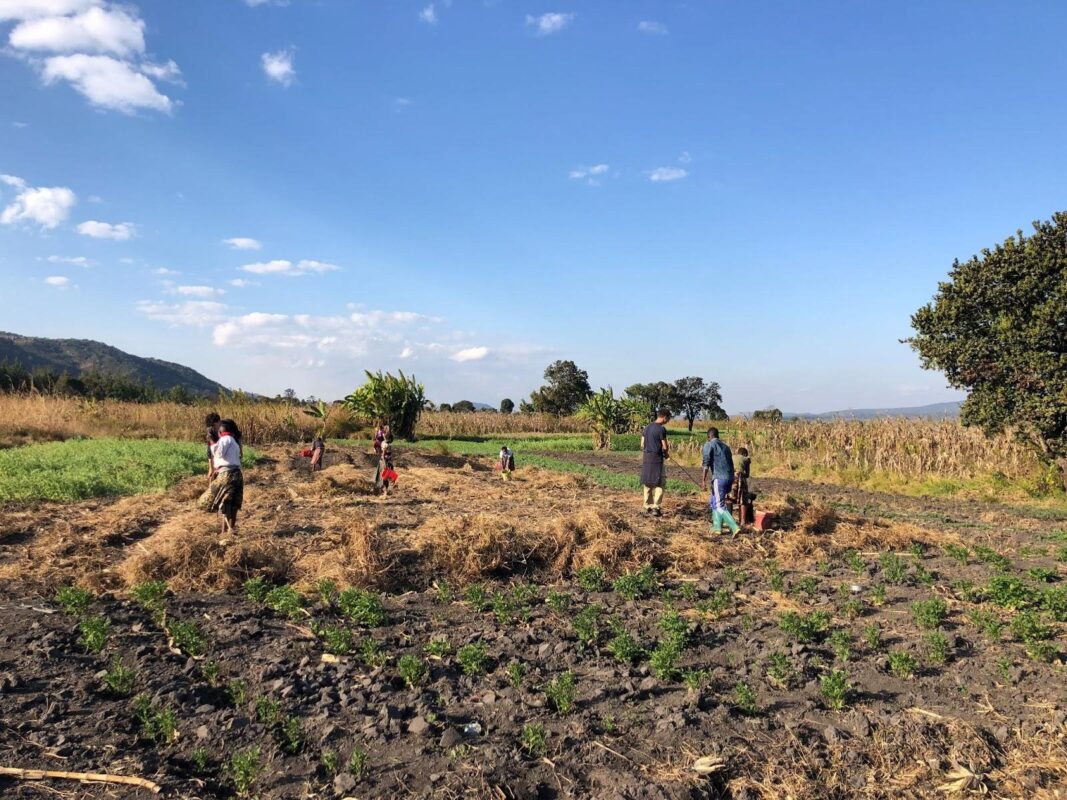
Across Tanzania, water is increasingly becoming a problem due to its high uncertainty. In recent months, particularly since the end of 2025, the rainy seasons have become unpredictable, dry periods are more common, and temperatures are rising. As a result, rivers are lower than usual and farmers are finding it harder to grow their crops.
Tanzania’s economy is still strongly linked to rainfall. In fact, agriculture makes up about one-third of the country’s GDP and provides work for nearly half of the population, most of whom depend on rainfall for their harvests. Therefore, when the rains are weak or arrive late, the effects are felt quickly. Food prices rise, families earn less, and the government faces additional pressure.
Moreover, in recent months, this situation has become more serious. Lower rainfall combined with high temperatures has reduced river levels and left farmland dry before the next planting season. At the same time, irrigation systems remain limited, which means many communities and cities rely almost entirely on seasonal rains. Consequently, as the population grows and temperatures increase, demand for water continues to rise while supply becomes less reliable. This is not happening only in Tanzania. Indeed, other countries in East Africa are facing similar conditions. However, in Tanzania the problem is especially visible in its largest and fastest-growing city, Dar es Salaam.
The Situation in Dar es Salaam
Dar es Salaam, home to more than five million people, is facing one of its most serious water shortages in years. In many areas, taps remain dry for days. Water is distributed according to a rationing schedule and often arrives only once a week, sometimes even late at night. About 70 percent of the city’s water comes from the Ruvu River. When the latest rainy season was delayed, the river level fell. As a result, water treatment plants produced less water and supply dropped in many parts of the city.
Furthermore, the situation became worse during a period of very high temperatures, as the heat significantly increased water use. Although Dar es Salaam is located on the Indian Ocean, it does not have a desalination plant. By contrast, cities like Dodoma have dams for their water supply, Dar es Salaam gets most of its water from rivers that fill during the rainy season.
Meanwhile, the city continues to grow rapidly. Its population has more than doubled in the past two decades. As a result, new neighborhoods have expanded quickly, often faster than infrastructure can keep up. Even in normal conditions, water supply barely meets demand. During drought periods, therefore, the gap becomes much more serious.
Impact on Communities
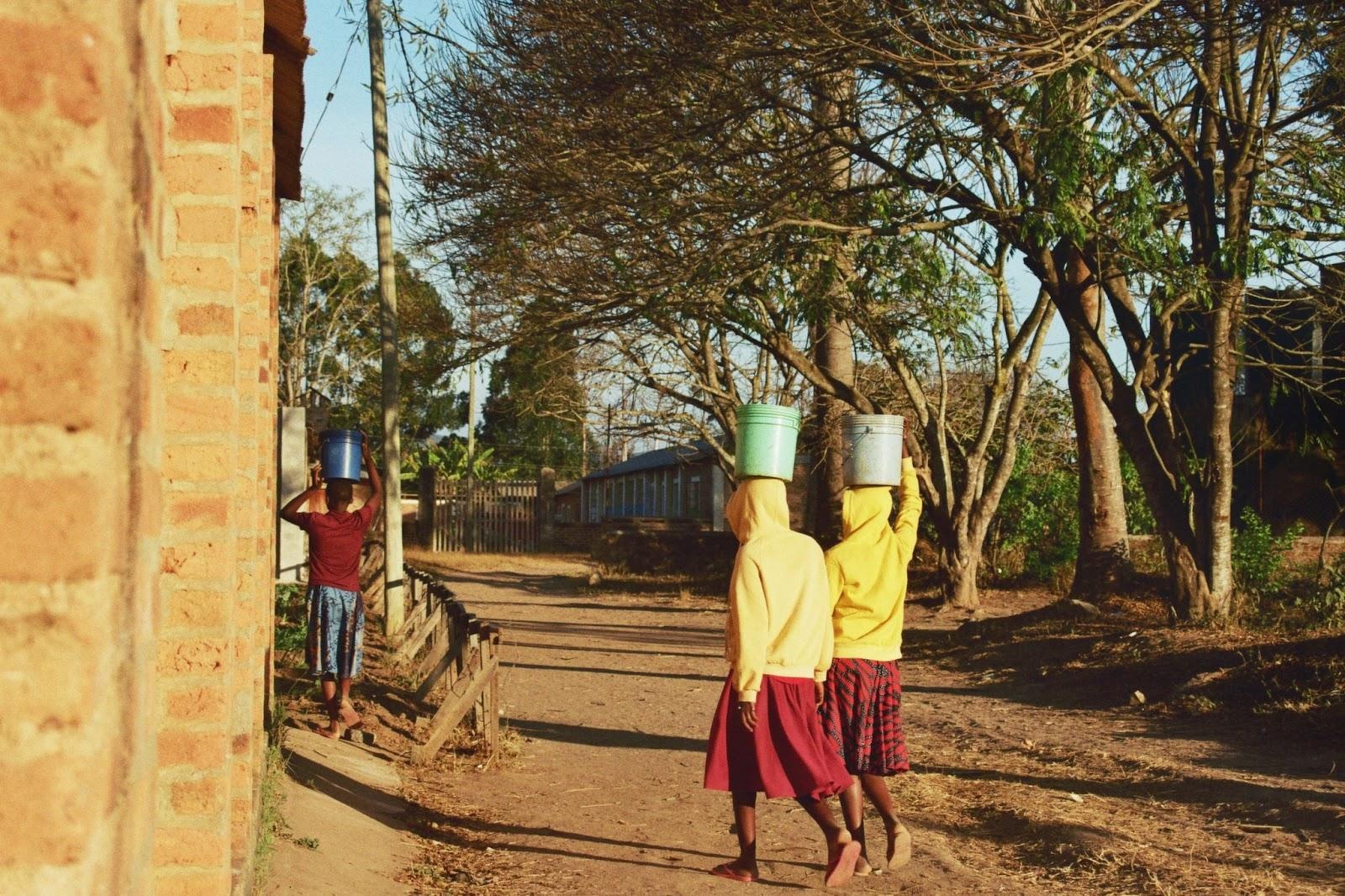
For many residents, the crisis affects daily life. For example, families increasingly depend on private water sellers. Trucks deliver water to neighborhoods, but prices have risen significantly. For low-income families in particualr, this increase is difficult to manage. As a result, money that was meant for school fees or small businesses is now spent on basic water needs. In addition, daily habits have changed. Laundry is delayed, bathing is reduced, and some people stay awake at night to make sure they do not miss the short hours when water flows. Many homes store water in buckets and tanks whenever it becomes available.
Women often carry most of the responsibility for finding water, sometimes spending hours waiting at water points or for water trucks. Together with the heat, this creates both physical and emotional stress. Small businesses are also affected. For instance, food sellers, laundries and car wash operators struggle to work without reliable water. Some of them shorten their hours, while others raise prices. In poorer areas, water scarcity reduces already limited incomes and makes everyday life more expensive.
Government Measures and Long-Term Solutions
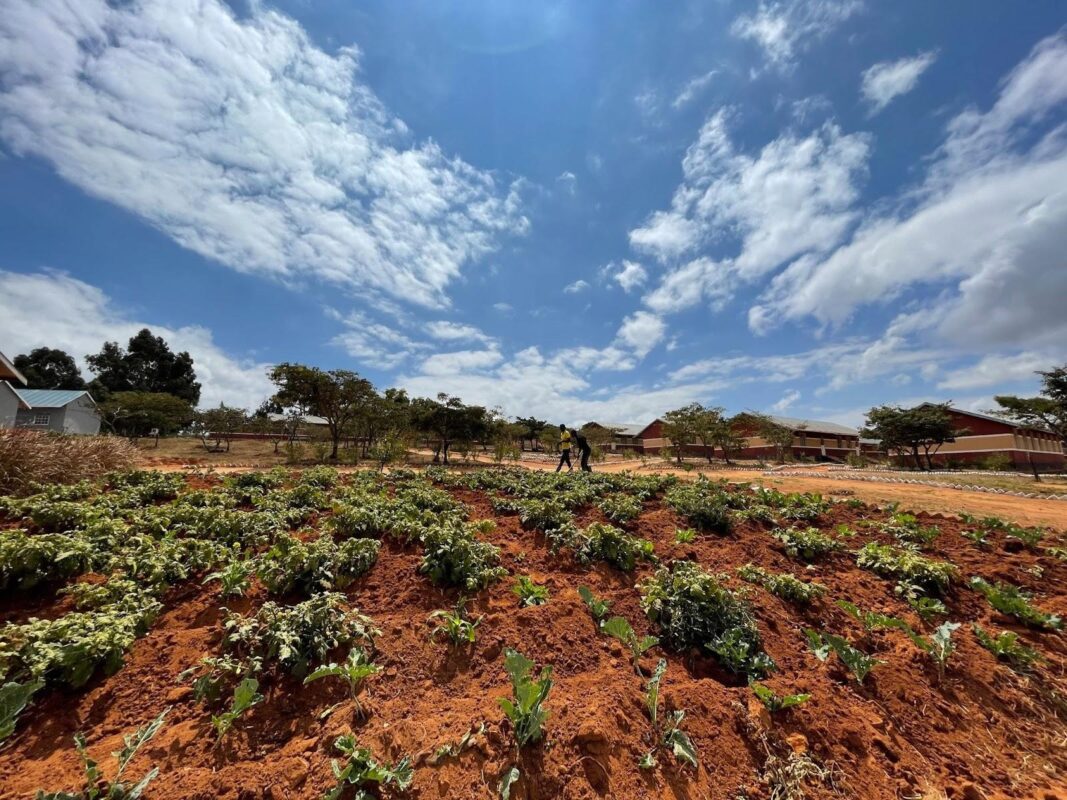
The government has introduced rationing schedules and given priority to domestic water use. Boreholes have been repaired and connected to the supply system, and citizens are encouraged to save water whenever possible.
One of the main long-term projects is the construction of the Kidunda Dam, which aims to provide additional freshwater sources and reduce dependence on the Ruvu River. Overall the project is a major investment intended to improve water security in the future. However, large infrastructure projects take time to complete. In the meantime, irregular rainfall continues to affect the water supply.
Ultimately, the current situation shows how important water is for Tanzania’s future. As the population grows and temperatures rise, ensuring reliable access to water will remain a major challenge for the country.
Sources:
BBC News. (2025, December). Dar es Salaam water shortages amid drought and heat. BBC. https://www.bbc.com/news/articles/c1dz1w6vz42o
Xinhua News Agency. (2026, January 5). Water shortages, rising temperatures test Tanzania’s climate resilience. Xinhua. https://english.news.cn/20260105/c59b8eb2a9bf4f7e91b028ad5833e756/c.html
Daily News. (2026, February 10). Invisible drought, visible danger: East Africa’s dry rot. Daily News. https://dailynews.co.tz/invisible-drought-visible-danger-east-africas-dry-rot/ 
The Citizen. (2025). Survival of the fittest as water crisis bites in Tanzania. The Citizen. https://www.thecitizen.co.tz/tanzania/news/national/survival-of-the-fittest-as-water-crisis-bites-in-tanzania-5298402